器物,從來不只是器物。
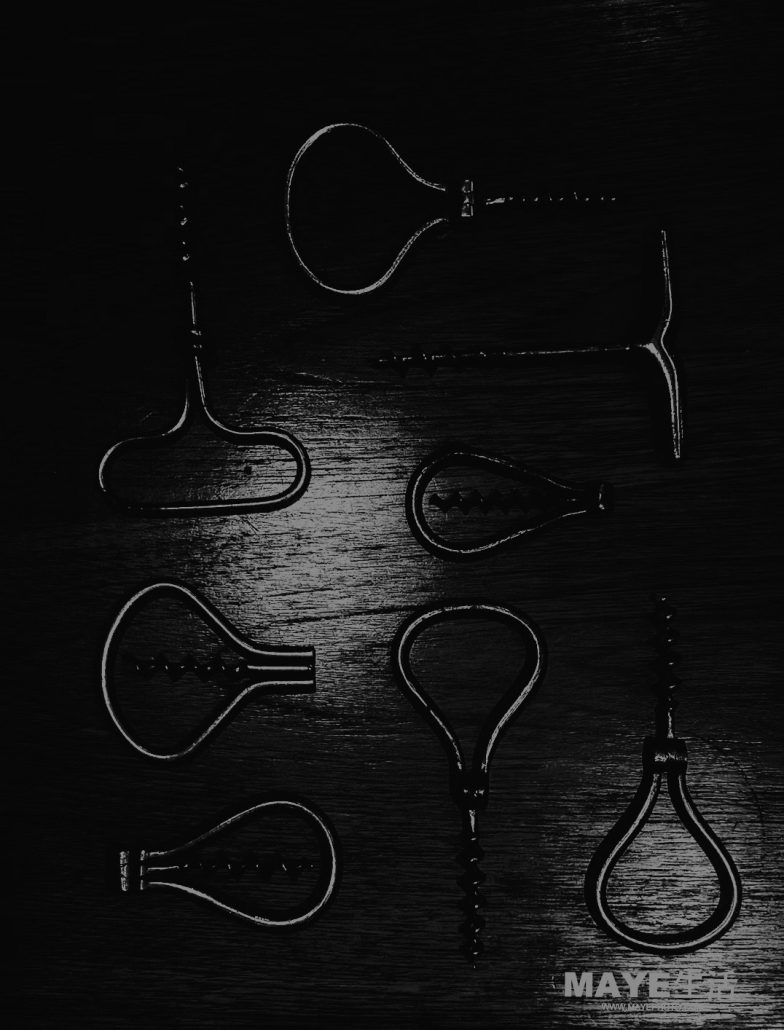
它們的形狀、尺寸、重量,甚至使用的方式,都來自一種長久形成的生活習慣。
當我們凝視一件器物時,看見的不只是工藝與功能,更是一種生活方式留下的痕跡。
器物從不憑空出現。
每一件器物的誕生,都是為了回應某種需求。
而需求的背後,則是一種生活。
中國人習慣爆炒。
高溫、快速、講究鍋氣。
於是有了深腹的鐵鍋、寬大的鍋口,以及適合翻炒的弧形鍋身。
這樣的鍋具能夠承受烈火,也能讓食材在短時間內完成烹調。
鍋的形狀,不是設計師的想像,而是在無數次升起的爐火與翻動的鍋鏟之間,慢慢形成的。
日本與韓國人的飲食方式則有所不同。
煎、煮、燉、烤,佔據了更多日常。
因此,他們使用的鍋具往往較淺,也更重視受熱均勻與細緻的火候控制。
同樣是鍋具,卻因不同的生活方式,而呈現出截然不同的樣貌。
器物總是在回應人的生活。
在潮州,喝茶不是一種儀式,而是一種日常。
從清晨到夜晚,茶幾乎伴隨著一天的生活。
頻繁的沖泡與使用,讓潮州茶器逐漸形成自己的特色。
小巧的茶壺、小巧的茶杯,以及方便使用的茶盤,每一件器物都不是為了展示,而是為了使用。
真正被長久使用的器物,往往不是最華麗的。
而是最懂得生活的。
北方的蒸鍋、江南的竹編、牧區的皮囊、漁村的漁具。
每一件器物的背後,都有一種生活。
每一種生活的背後,也都有一件器物。
器物並非文化的附屬品。
它本身就是文化。
它記錄著一個地方的氣候、飲食、勞作與審美。
甚至記錄著人們如何度過一天,如何與世界相處。
因此,看一件器物,不只是看一件東西。
而是在閱讀一種生活。
看見一口鐵鍋,可以理解一種飲食文化。
看見一把茶壺,可以理解一種生活節奏。
看見一方硯台,也許能理解一個人如何安放自己的心。
器物的形狀,
往往是生活留下的形狀。
而生活的樣子,
也悄悄藏在器物之中。
人塑造器物。
器物也塑造人。
⸻
KU · The Way of Objects
Objects are never merely objects.
Their form, size, weight, and even the way they are used arise from habits shaped over time.
When we look closely at an object, we see more than craftsmanship or function.
We see the traces of a way of life.
Objects do not appear by accident.
Every object is created to answer a particular need.
And behind every need lies a particular way of living.
Chinese cooking is known for stir-frying.
High heat, quick movement, and the pursuit of wok hei have given rise to the deep iron wok, with its wide opening and curved shape designed for constant motion.
Its form was not imagined in isolation.
It emerged gradually through countless meals, flames, and generations of hands.
In Japan and Korea, daily cooking follows a different rhythm.
Boiling, simmering, grilling, and pan-frying are more common.
As a result, cookware tends to be shallower and designed for even heating and precise control.
Though they serve similar purposes, these vessels reflect entirely different ways of life.
Objects always respond to the lives of those who use them.
The tea culture of Chaozhou offers another example.
There, tea is not a ceremony reserved for special occasions.
It is woven into everyday life.
From morning until night, tea accompanies conversation, work, rest, and companionship.
Over time, practical teapots, small cups, and functional tea trays evolved to meet this rhythm.
These objects were not created to impress.
They were created to be used.
The objects that remain in daily life are rarely the most ornate.
They are often the ones that understand life best.
Steamers in the north.
Bamboo weaving in the south.
Leather vessels on the grasslands.
Fishing tools along the coast.
Behind every object is a way of living.
And behind every way of living is an object.
Objects are not merely products of culture.
They are culture itself.
They record climate, food, labor, and aesthetics.
They reveal how people spend their days and how they relate to the world around them.
To look at an object, then, is not simply to look at a thing.
It is to read a way of life.
A wok reveals a culinary tradition.
A teapot reveals a rhythm of living.
A scholar’s inkstone may reveal the place where a person settles the mind.
The shape of an object
is often the shape left behind by life.
And the shape of life
quietly resides within the object.
We shape our objects.
And our objects shape us.
We believe we are using them.
Yet they silently define the way we live.