
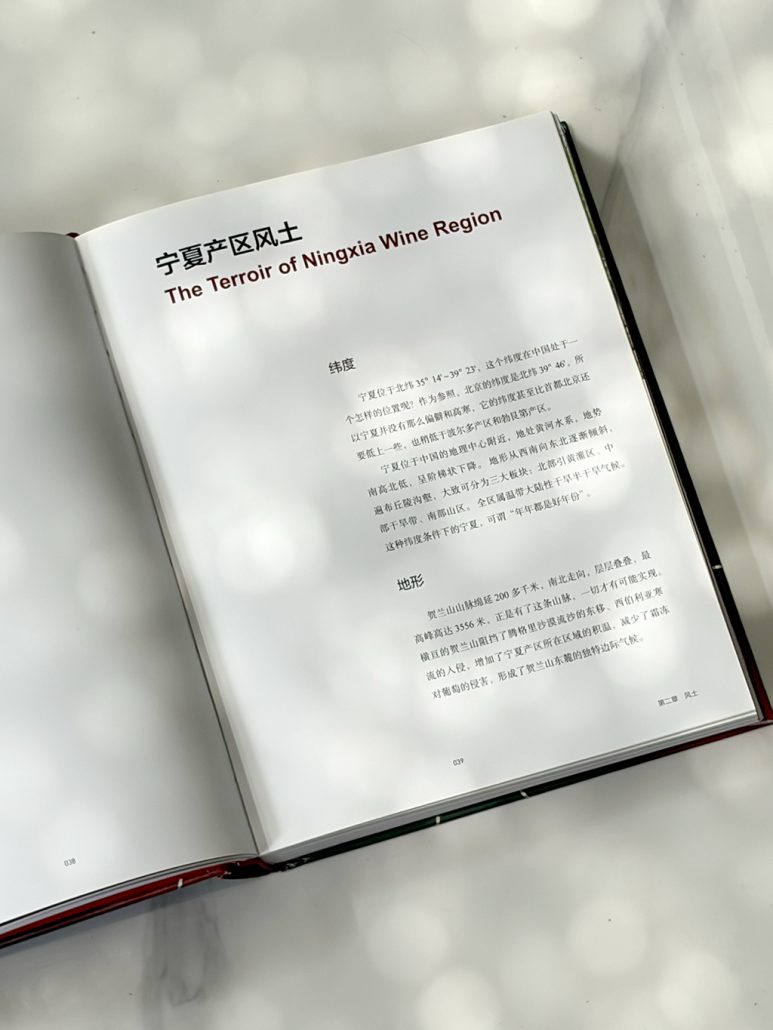
葡萄酒中有一個詞:風土(Terroir)。
起初以為它只是土壤、氣候與環境,後來才明白,它遠不止於此。
一切生長於土地之上的事物,都攜帶著那片土地的信息。
不只是土地,還包括:緯度、經度、海拔、溫度、降雨、風向、光照、河流,以及歲月的痕跡。
同樣的葡萄品種,種植於不同地方,便展現完全不同的香氣與性格。
同樣的茶、沉香、陶瓷,也都帶著各自土地的印記。
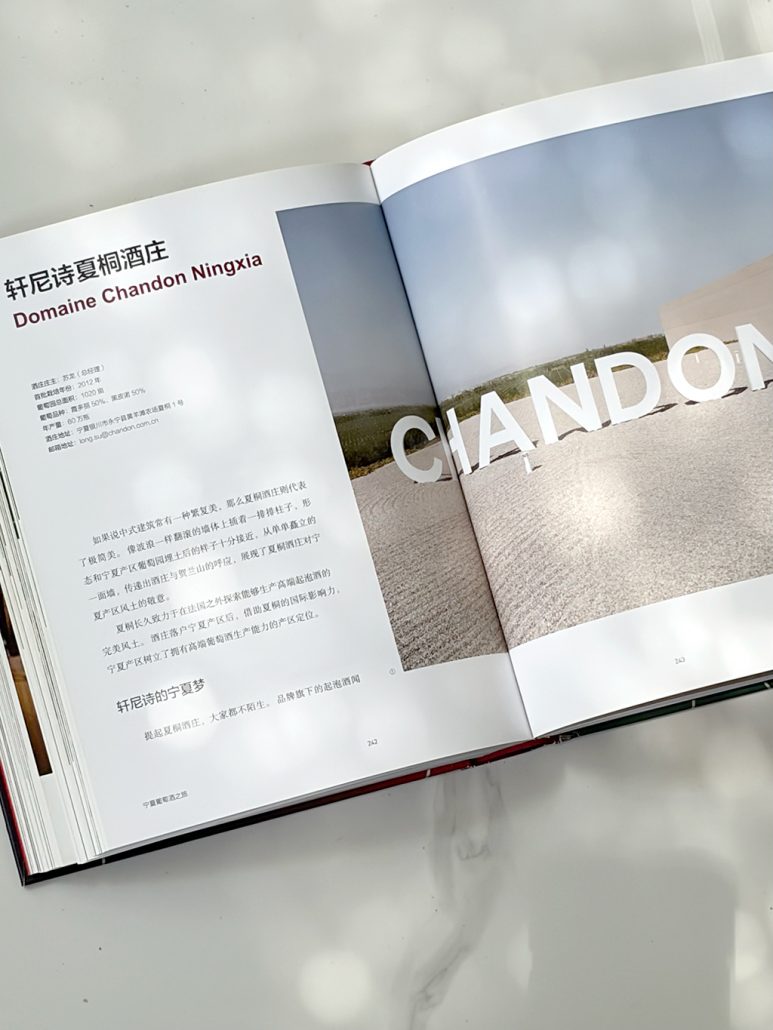
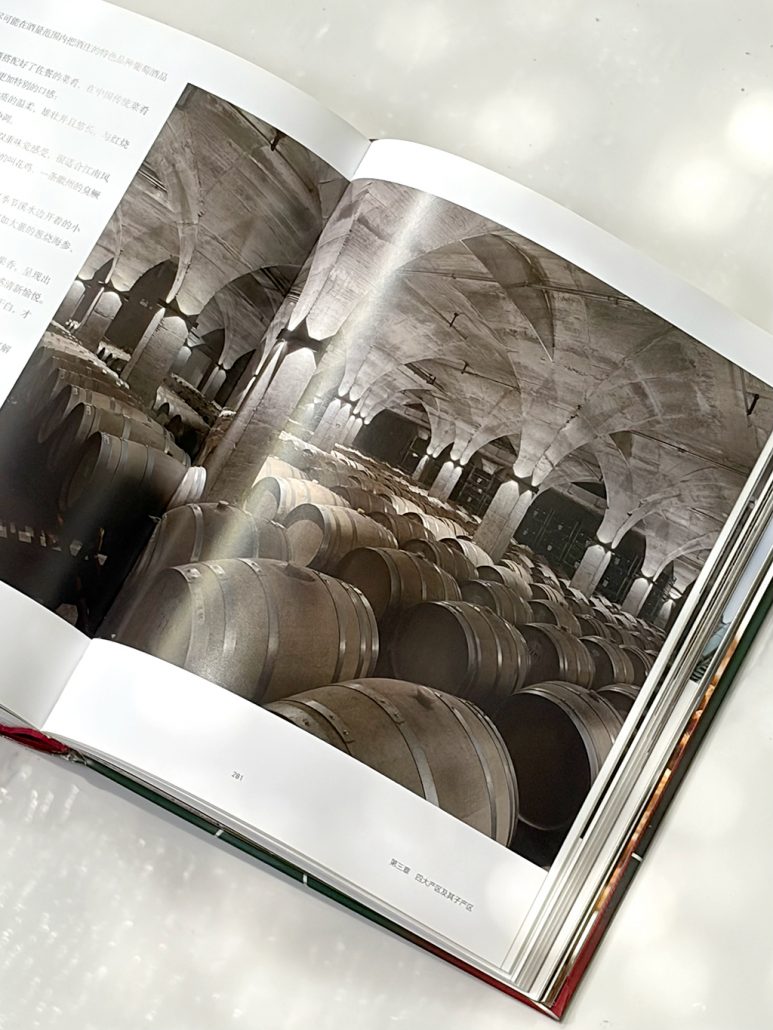
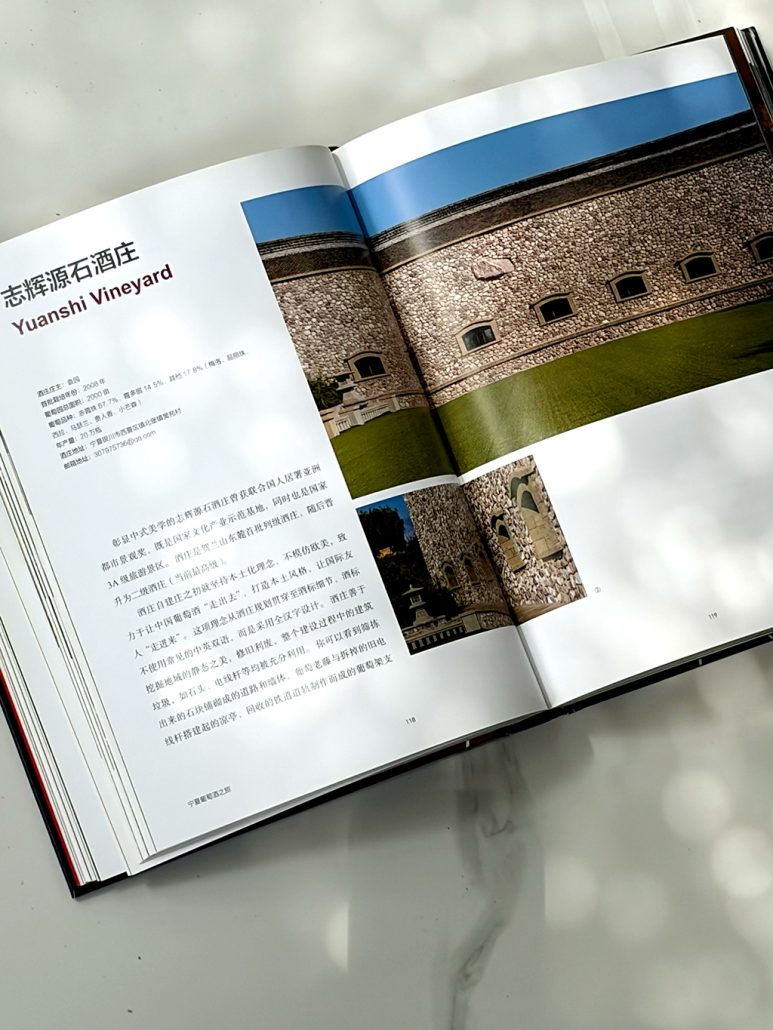
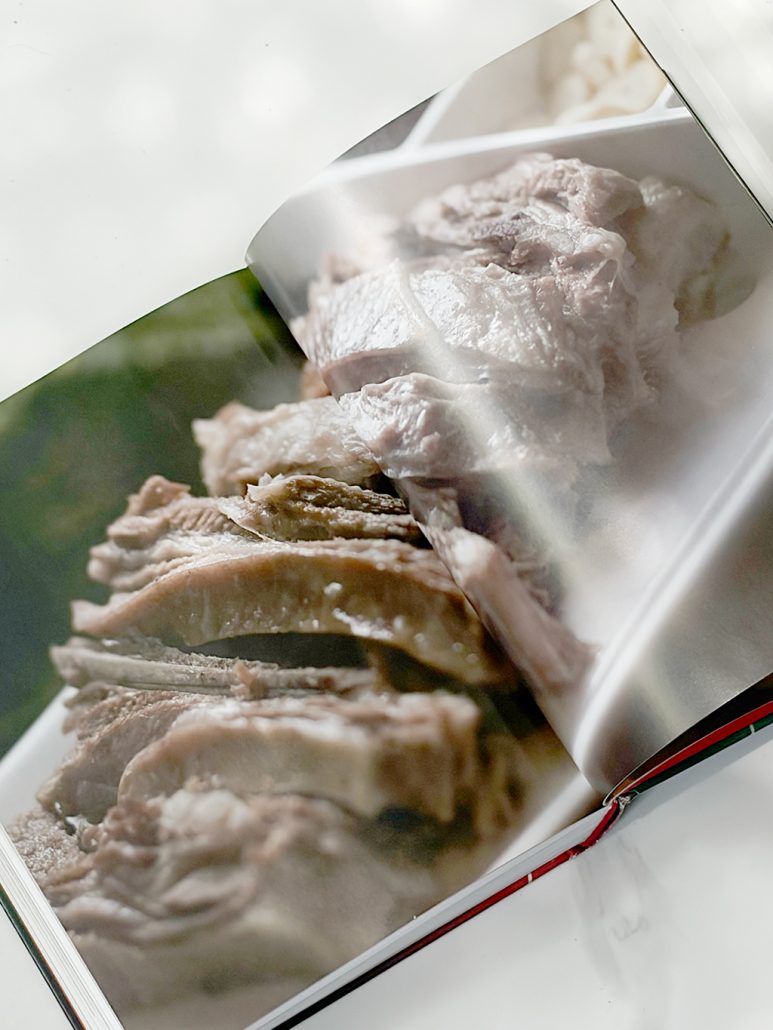
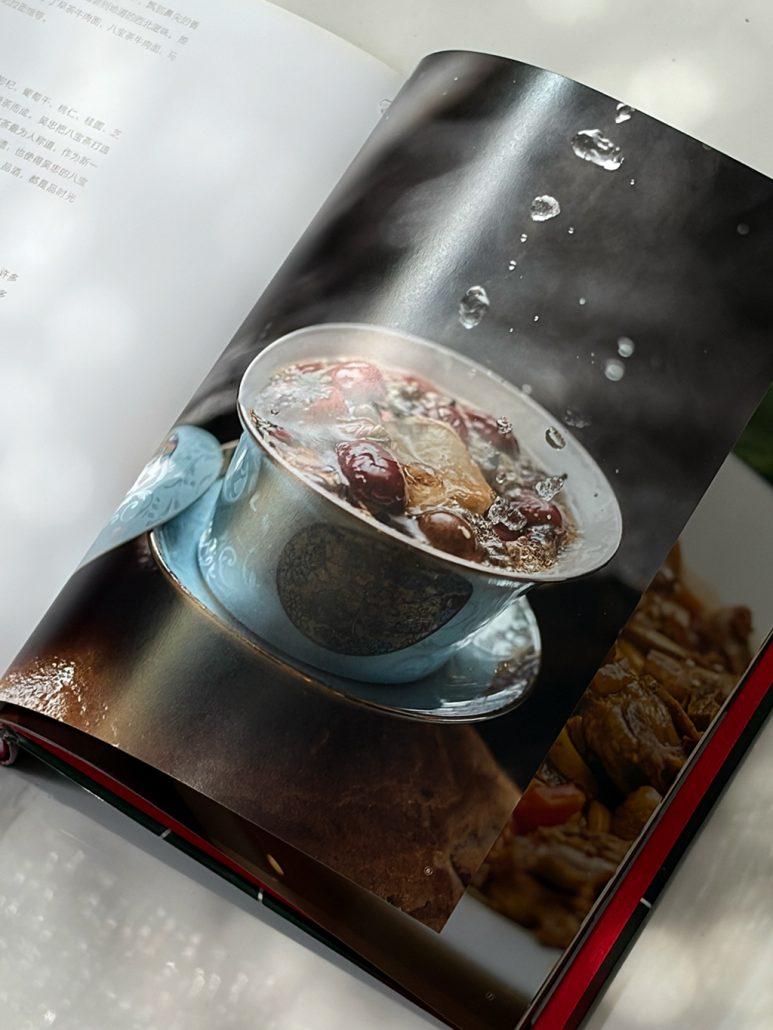
風物,是風土的語言。
看到的是器物,品嚐的是土地。
人亦如此。
出生的地方、成長的環境、遇見的人、經歷的時間,都塑造了氣質與審美。
萬物皆有出處。

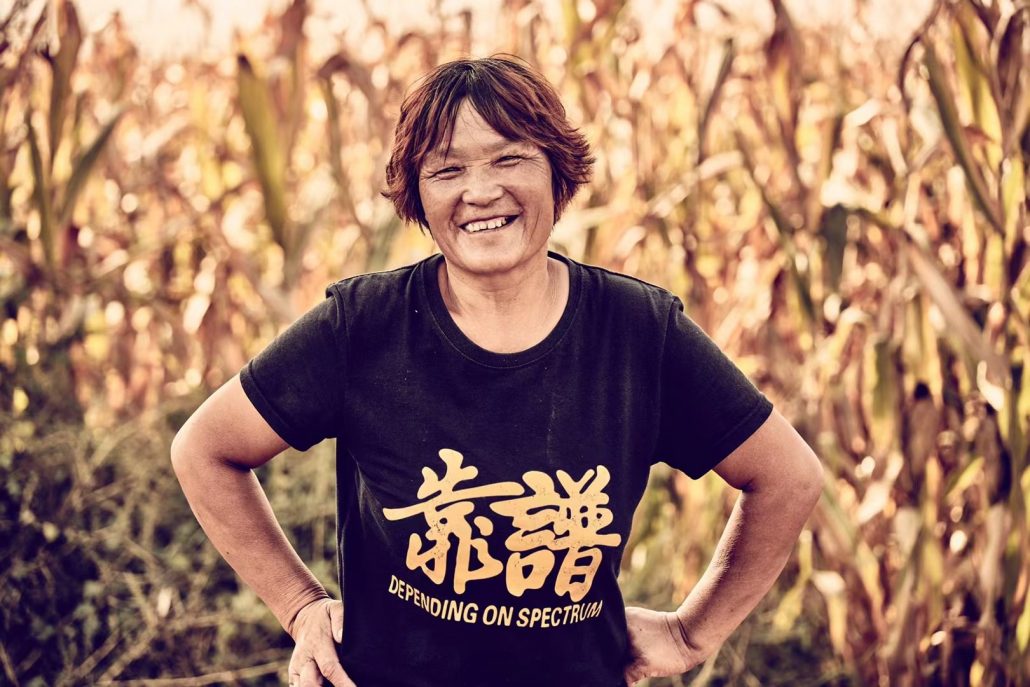
理解一杯酒,是理解一片土地;
理解一片茶,是理解一座山;
理解一塊沉香,是理解一片森林;
理解一個人,是理解他生命中那些看不見的來處。
風土的意義,不在於比較高下,而在於提醒:
每一種存在,都有自己的生長條件,每一個生命,都有自己的方向。
土地與植物、時間與生命、環境與萬物的關係,構成世界的網絡。
所有存在,都有來處;所有生命,都有根。

⸻
Ku · Terroir
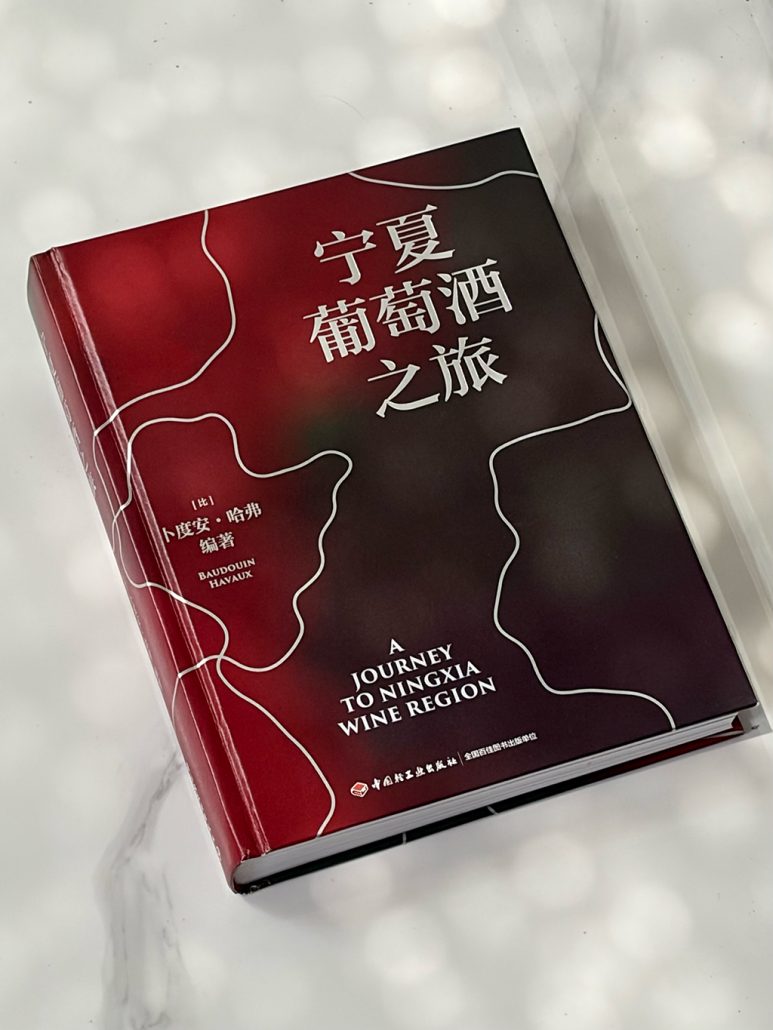
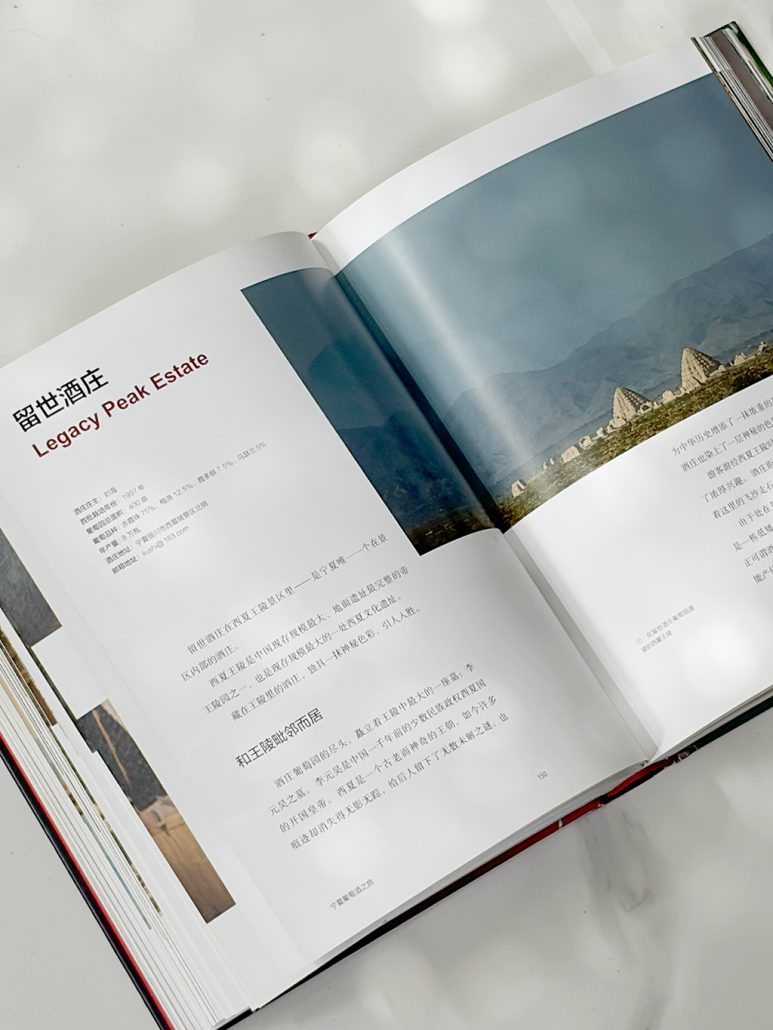
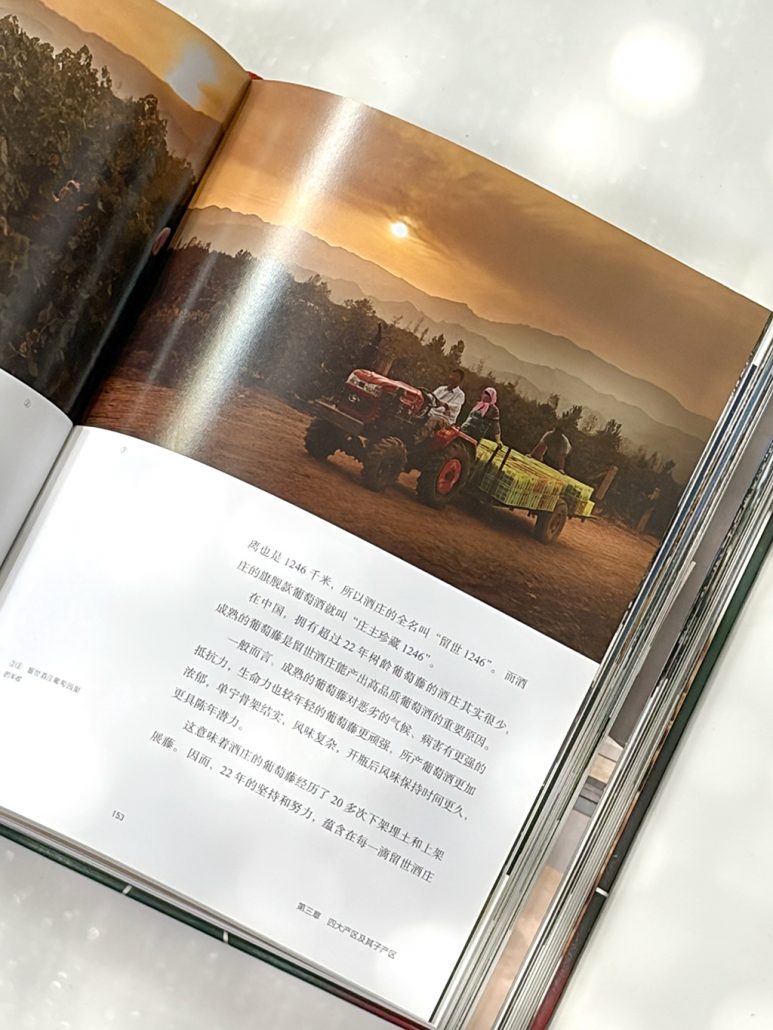
As one of the photographers of Ningxia Wine Journey, over forty wineries were visited across the Ningxia region.
In wine, there is a word: terroir.
At first, it seemed to mean only soil, climate, and environment.
Later, it became clear that it is far more than that.
Everything that grows from the land carries the information of that place.
Not only the soil, but also latitude, longitude, altitude, temperature, rainfall, wind, sunlight, rivers, and traces left by time.
The same grape variety, planted in different locations, expresses entirely different aromas and personalities.
Tea, agarwood, ceramics—they all carry the mark of their land.
Objects speak the language of terroir.
What is seen are the objects; what is tasted is the land.
People are the same.
Birthplace, environment, encounters, and the years lived shape character and aesthetic.
Everything has an origin.
To understand a wine is to understand a landscape;
to understand a tea is to understand a mountain;
to understand a piece of agarwood is to understand a forest;
to understand a person is to understand the unseen origins of a life.
The essence of terroir is not comparison, but awareness:
every existence has its conditions; every life has its direction.
The relationship between land and plant, time and life, environment and all things forms the web of the world.
All things have origins; all lives have roots.